
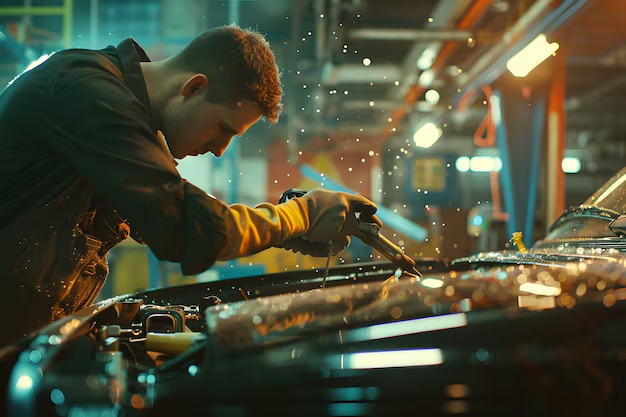
Deer Hit Damage Repair: What to Do First, What Insurance Usually Covers, and How Long Repairs Take
Deer collisions are an unfortunate reality for many drivers, especially those in rural areas where wildlife is more prevalent. Imagine this: you’re relishing a peaceful drive through the picturesque landscapes of West Virginia, your favorite tunes playing, when suddenly, a deer bounds across the road. The encounter is startling and potentially dangerous. If you’re in Huntington, WV, and find yourself in such a predicament, you might feel overwhelmed about what to do next. This guide will walk you through the immediate steps to take, what your insurance typically covers, and how long you can expect the repair process to last.
Immediate Steps After a Deer Collision
After a deer accident, knowing what actions to take can make a significant difference in terms of safety and insurance claims.
Ensure Safety First
Your safety and the safety of your passengers should be your top priority. If possible, move your vehicle to a safe location off the road to avoid further accidents. Turn on your hazard lights to alert other drivers. Check yourself and your passengers for injuries and call emergency services if needed. In one instance, a driver swerved to avoid a deer and ended up colliding with a tree, emphasizing the need to remain calm and avoid drastic maneuvers that might lead to more severe accidents.
Document the Incident
Once everyone is safe, document the scene. Take photos of the damage to your car and the surrounding area. This can be invaluable when filing an insurance claim. If the deer is still on the road, contact local authorities to report it, as they can handle removal and any traffic issues. A well-documented incident not only speeds up the claims process but also ensures you have a record in case of disputes.
Contact Your Insurance Provider
Notify your insurance provider as soon as possible. They will guide you on how to proceed with your claim. When reporting the accident, provide them with all necessary details, including the photos you took and any relevant witness information. Understanding the nuances of your insurance policy can save you a lot of stress. For example, some policies offer faster processing if you report the incident within a specific timeframe.
Understanding What Insurance Typically Covers
Insurance coverage can be a bit confusing, especially when it comes to wildlife-related accidents. Here’s what you need to know.
Comprehensive Coverage
Most standard car insurance policies include comprehensive coverage, which typically covers deer collisions. This type of coverage helps pay for damages caused by events other than a collision with another vehicle, such as hitting a deer. Comprehensive coverage is crucial as it also covers other unforeseen incidents like theft or natural disasters. Without it, you might find yourself paying out of pocket for significant damages.
Deductibles and Limits
Be aware of your policy’s deductible, which is the amount you’ll need to pay out of pocket before your insurance kicks in. Also, check your policy limits to understand the maximum amount your insurance will cover for repairs.
Rental Car Coverage
If your car isn’t drivable after the accident, check if your policy includes rental car coverage during repairs. This can be a lifesaver while your vehicle is in the shop. Rental car costs can add up quickly, so having this coverage can save you a significant amount of money and provide convenience.
The Auto Body Repair Process
Once you’ve reported the incident and initiated an insurance claim, it’s time to focus on getting your car back on the road.
Getting an Auto Body Estimate
The first step in the repair process is obtaining an auto body estimate. Bring your car to a reputable collision repair shop, like The Otto Shop in Huntington, WV, for a thorough inspection. The estimate will detail the extent of the damage and the necessary repairs. A detailed estimate can highlight hidden damages that might not be immediately visible, ensuring that your car is thoroughly repaired.
Frame Damage Signs
Deer collisions can sometimes result in frame damage, which can affect your car’s structural integrity. Signs of frame damage include misaligned panels, uneven tire wear, and difficulty steering. Make sure the repair shop checks for these issues. Repairing frame damage is crucial as it ensures the safety and longevity of your car. Ignoring such damages can lead to more expensive repairs down the line.
Paint Matching After Accident
If your vehicle’s paint is damaged, the repair shop will need to match the new paint to your car’s original color. Quality shops use advanced color-matching technology to ensure a seamless finish. A poor color match can affect your car’s aesthetics and resale value, which is why it’s essential to choose a shop with a proven track record in paint matching.
How Long Repairs Typically Take
The duration of repairs can vary depending on the extent of the damage.
Minor vs. Major Repairs
Minor repairs, such as replacing a bumper or fixing small dents, might take a few days. However, if your car has extensive damage, including frame issues, the repair could take several weeks. For instance, a straightforward bumper replacement could be completed in under a week, while frame realignment might extend the timeline to several weeks.
Parts Availability
The availability of necessary parts can also impact the repair timeline. Local shops like The Otto Shop usually have access to a wide range of parts but always check with them for specific timeframes. Sometimes, rare or specialized parts might need to be ordered from manufacturers, which can delay the process.
Communication with the Repair Shop
Stay in touch with your repair shop throughout the process. They can provide updates and inform you of any delays due to parts or labor availability. An open line of communication ensures you’re informed and can plan accordingly, especially if you need to extend rental car services.
When to Consider Bumper Replacement vs. Repair
A common question after a deer collision is whether to repair or replace the bumper.
Assessing Damage
If the bumper is only scratched or has minor dents, a repair might suffice. However, if the bumper is cracked or has significant damage, replacement is usually the better option to maintain safety standards. A well-maintained bumper is crucial for absorbing impact in future accidents, thus protecting you and your passengers.
Cost Implications
While a replacement might seem costlier upfront, it can be more cost-effective in the long run if the repair doesn’t hold up. Your insurance can help cover these costs, depending on your policy.
Deer collisions can be stressful, but knowing the right steps to take can make the process smoother. Remember to prioritize safety, document everything, and contact your insurance provider promptly. For those in Huntington, WV, The Otto Shop is here to help with expert collision repair services. Reach out to us for a reliable auto body estimate and let us help get your car back in top shape. Contact us today to schedule your repair and get back on the road with confidence.