
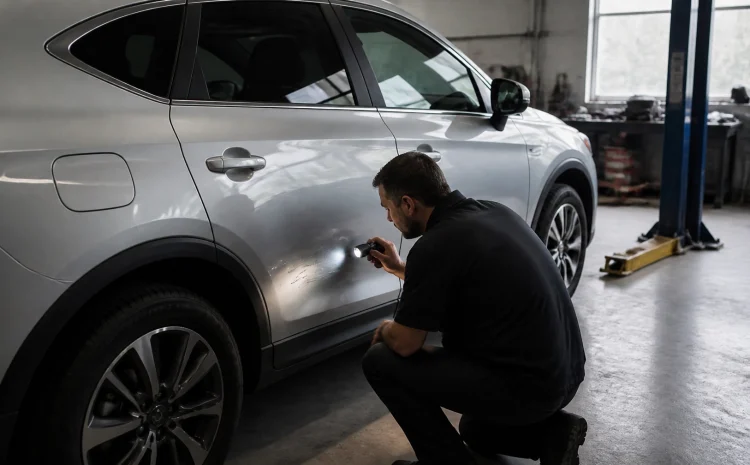
Car Body Repair in Huntington, WV: How to Tell If It’s Just a Scratch or Something More
You hear the soft crunch of a shopping cart in a parking lot: or feel the jolt of a low-speed bump at an intersection. Later, under the harsh glow of a garage light, you notice a scrape running across the door, a dent near the wheel well, or a bumper that no longer seems to sit quite right.
Your first thought may be, “Is this only cosmetic, or is something underneath damaged?”
That is an important question. Some damage truly is limited to paint and outer panels. However, a minor-looking impact can sometimes affect alignment, mounting points, safety systems, or mechanical components. Knowing what to look for can help Huntington, WV drivers decide when a simple cosmetic fix may be enough: and when to visit a professional car body repair or collision repair shop.
What Makes Vehicle Damage Cosmetic or Structural?
Is the damage only on the surface?
Cosmetic damage generally affects the vehicle’s appearance without changing how it drives or protects occupants. Examples include:
- Clear-coat scratches
- Small door dings
- Light bumper scuffs
- Minor dents without sharp creases
- Paint chips
- Early surface rust
Structural damage is more serious because it can involve the vehicle’s frame, unibody, crumple zones, suspension mounting points, or other components designed to protect you in a collision.
Imagine dropping a cardboard box. A shallow mark on the outside may not change its shape or strength. But if the box is crushed at a corner, the damage may affect the entire structure: even if the outside still looks mostly intact. Vehicles can behave in a similar way after an impact.
A visual inspection at home can offer clues, but it cannot confirm that hidden damage is absent. When in doubt, have a professional inspect the vehicle.
How to Judge a Scratch or Scrape
Does your fingernail catch in the scratch?
After washing and drying the damaged area, run a clean fingernail gently across the mark.
If your nail glides smoothly and the vehicle’s color appears unchanged, the scratch may be limited to the clear coat. Light polishing or refinishing may resolve it.
If your nail catches, the scratch may have gone through the clear coat and paint. If you can see gray primer, silver metal, or a different-colored layer, the area needs attention. Exposed metal can begin to rust, especially after exposure to moisture, road salt, and winter conditions.
A deep scrape is still cosmetic in the sense that it may not affect the frame. However, it should not be ignored simply because the car drives normally. Paint damage can become corrosion damage if moisture reaches the metal underneath.
Look for additional warning signs, such as:
- Bubbling paint
- Flaking edges
- Brown or orange discoloration
- A dent beneath the scrape
- Cracked paint that extends beyond the original mark
These signs suggest the area may need more than a quick touch-up.
Door Dings and Small Dents: When Are They More Serious?
Does the door still open, close, and latch normally?
A typical parking-lot door ding is often cosmetic. It may appear as a shallow depression in the door without affecting the surrounding edges, hinges, window, or latch.
Check the door carefully. It should:
- Open without rubbing
- Close without extra force
- Latch securely
- Sit flush with nearby panels
- Allow the window to operate normally
Pay attention to the shape of the dent. A soft, rounded dent is usually less concerning than a sharp crease or folded metal. Creases can indicate that the panel has been stretched or pushed into a more significant position.
Also inspect the gaps around the door. If the space between the door and fender is wider on one side, or if the door sits higher or lower than before, the impact may have affected alignment.
New wind noise at highway speed can also be a clue. A damaged door seal or misaligned panel may allow air to move through an area that was previously tight.
Bumper Damage: More Than a Plastic Cover
Does the bumper still line up with the rest of the vehicle?
Bumper covers are designed to absorb and distribute impact, but the visible plastic is only one part of the system. Behind the cover may be reinforcement components, energy absorbers, brackets, sensors, and mounting hardware.
A light scuff or paint transfer may be cosmetic when the bumper remains securely mounted and evenly aligned. A professional may be able to refinish or repair the affected area rather than replace the entire bumper.
Be more cautious if the bumper is:
- Cracked or torn
- Sagging on one side
- Pulled away from the fender
- Pushed inward
- Folded around a corner
- Showing uneven gaps near the hood, trunk, or hatch
After a front-end impact, check whether the hood opens and closes normally. After a rear impact, check the trunk or hatch. Difficulty closing either one may point to more than a damaged bumper cover.
If an airbag, ABS, traction-control, or collision-warning light appears after the incident, do not assume the problem is cosmetic. Arrange a professional inspection before continuing to drive normally.

Rust: A Small Spot Can Grow
Is that orange spot really harmless?
Surface rust may begin around a paint chip, scratch, or dent. At first, it may look like a small stain. Over time, corrosion can spread underneath the surrounding paint and create bubbling, flaking, or holes.
Small surface rust is not necessarily an immediate structural emergency, but it is a reason to schedule repair rather than wait. Rust does not repair itself. The longer it remains untreated, the more preparation and refinishing the panel may require.
Rust deserves especially prompt attention near:
- Rocker panels
- Door sills
- Wheel arches
- Frame rails
- Suspension mounting areas
- Subframes
- Underbody seams
When corrosion affects a load-bearing or safety-related area, it is no longer just an appearance issue. A body repair professional can evaluate how far the corrosion has progressed and recommend the appropriate repair.
Panel Gaps Reveal What Paint May Hide
Do the gaps look even from side to side?
Stand several feet away from the vehicle and compare both sides. Look at the spaces around the:
- Hood
- Trunk or hatch
- Doors
- Fenders
- Bumpers
- Headlights and taillights
Consistent gaps are a good sign. Uneven gaps, overlapping edges, or panels sitting high or low may indicate that a mounting point or underlying structure shifted during an accident.
For instance, a rear quarter panel may show only a small dent, while the trunk gap on the same side becomes noticeably narrower. That combination deserves a professional collision inspection.
You should also check whether the doors, hood, and trunk close with their usual amount of effort. Never force a panel shut repeatedly if it no longer aligns. Doing so can damage latches, hinges, seals, or surrounding panels.
Post-Accident Driving Warning Signs
Does the vehicle feel different on the road?
Body damage and mechanical damage often appear together. After an impact, take note of changes in the way the vehicle drives: but avoid a test drive if a wheel, tire, steering component, or fluid system appears damaged.
Important warning signs include:
- Pulling to one side
- A steering wheel that is no longer centered
- New vibration through the wheel or seat
- Clunking, scraping, or rattling sounds
- Tire rubbing against the body
- Uneven tire wear
- A wheel that looks pushed backward in the wheel well
- Fluid leaking beneath the vehicle
- New brake, ABS, airbag, or traction-control warnings
A vehicle that pulls after a collision may need more than cosmetic car body repair. Suspension, steering, wheel alignment, or brake components may have been affected. If braking feels unusual, schedule brake service and repair promptly rather than waiting for the body work to be completed.
A Simple At-Home Screening Process
What can you safely check before calling a shop?
You can perform a basic screening without taking anything apart:
- Clean the damaged area. Dirt and paint transfer can make a light mark look worse than it is.
- Inspect it in natural light. Look for dents, creases, cracks, bubbling, and exposed metal.
- Check nearby doors and panels. Open and close them gently to confirm normal operation.
- Compare panel gaps. Look at the damaged side and the undamaged side.
- Look under the vehicle. Watch for leaks or hanging parts, but do not crawl beneath an unsupported vehicle.
- Pay attention to warning lights and driving changes. These can indicate mechanical or safety-related damage.
This process helps you gather useful information. It does not replace a professional inspection, particularly after a collision involving the front, rear, wheel area, doors, pillars, or roof.
Seasonal Prevention for Huntington Drivers
How can you reduce the chance of a small problem becoming a major repair?
Huntington weather can bring rain, temperature changes, road debris, and winter conditions that are hard on paint and metal. A few simple habits can help:
- Wash road salt and grime from the vehicle’s lower panels during winter.
- Touch up deep chips and scratches before moisture reaches bare metal.
- Inspect wheel arches and rocker panels periodically.
- Keep a safe following distance to reduce gravel and debris impacts.
- Check bumper and panel alignment after even a low-speed collision.
- Avoid using harsh household cleaners on vehicle paint.
- Address peeling clear coat before larger areas begin to fail.
Preventative attention is especially valuable for fleet vehicles, which may accumulate door dings, bumper scrapes, and road wear more quickly than personal cars.
When to Choose a Professional Collision Repair Shop
The decision is straightforward: if the vehicle still operates normally and the damage is clearly limited to the surface, you may be dealing with a cosmetic repair. If the damage affects fit, function, driving feel, warning lights, or exposed metal, schedule a professional inspection.
At The Otto Shop, drivers in Huntington can access mechanical repairs, collision services, and custom fabrication under one roof. Our family-owned shop brings more than 20 years of hands-on experience, certified mechanics, transparent estimates, and careful workmanship to vehicles of all makes and models. We also work with fleet vehicles that need dependable, comprehensive service.
That full-service approach matters when a bumper scrape turns out to involve an alignment concern, or when a collision repair needs mechanical attention as well. Instead of guessing whether the damage is only cosmetic, you can have the vehicle evaluated as a whole.
Protect Your Vehicle Before a Minor Mark Becomes a Bigger Problem
A scratch may be nothing more than a clear-coat blemish. A dent may be a simple door ding. However, uneven panel gaps, difficult-to-close doors, bumper misalignment, rust, warning lights, leaks, or changes in driving behavior are reasons to take the damage seriously.
If you are unsure what you are looking at, do not rely on appearance alone. Bring your vehicle to The Otto Shop in Huntington, WV for a clear, transparent assessment. We can help you determine whether you need cosmetic refinishing, collision repair, mechanical service, or a more customized solution.
Book an appointment or call 888-912-5873 to discuss the damage and take the next step toward getting your vehicle safe, aligned, and looking its best again.
Car Body Repair in Huntington, WV: Cosmetic or Structural?
Learn how Huntington, WV drivers can spot cosmetic scratches, dents, rust, bumper damage, and signs of structural vehicle damage.