
The Simple Trick to Improve Your Fleet Maintenance Services Right Now
It is 7:30 AM on a humid Tuesday morning in Huntington. Your lead driver is heading down 5th Avenue, the back of the van loaded with deliveries that need to be at their destinations by noon. Suddenly, there’s a rhythmic thud-thud-thud coming from the front axle. A dashboard light flickers on, the one that looks like an engine, the one every fleet manager dreads.
By 8:15 AM, the van is sitting on the shoulder of the road. By 9:00 AM, you’re on the phone scrambling to find a replacement vehicle, apologizing to frustrated clients, and wondering which auto repair shop can see you today. The repair bill is one thing, but the lost revenue, the blown schedule, and the stress? That’s the real cost of a breakdown.
If you run a business in the Tri-State area, you know that your vehicles are the lifeblood of your operation. When they stop, your income stops. But what if I told you there’s a way to virtually eliminate these "morning-ruiners"?
The secret isn’t a magic engine part or a high-priced consultant. The simple trick to improve your fleet maintenance services right now is a shift in strategy: Proactive Scheduling combined with Digital Tracking.
Why Reactive Maintenance is a Budget Killer
Have you ever wondered why some fleets seem to run forever while others are constantly in the shop? Most business owners fall into the "reactive" trap. They wait for something to squeak, leak, or smoke before they call a certified mechanic near me.
On the surface, this feels like saving money. "If it isn't broken, don't fix it," right? However, reactive maintenance is actually the most expensive way to run a fleet. When a part fails unexpectedly, it often causes a "domino effect," damaging surrounding components. A simple worn belt that would have cost $50 to replace during a scheduled check-up can snap and destroy a $500 cooling system component.
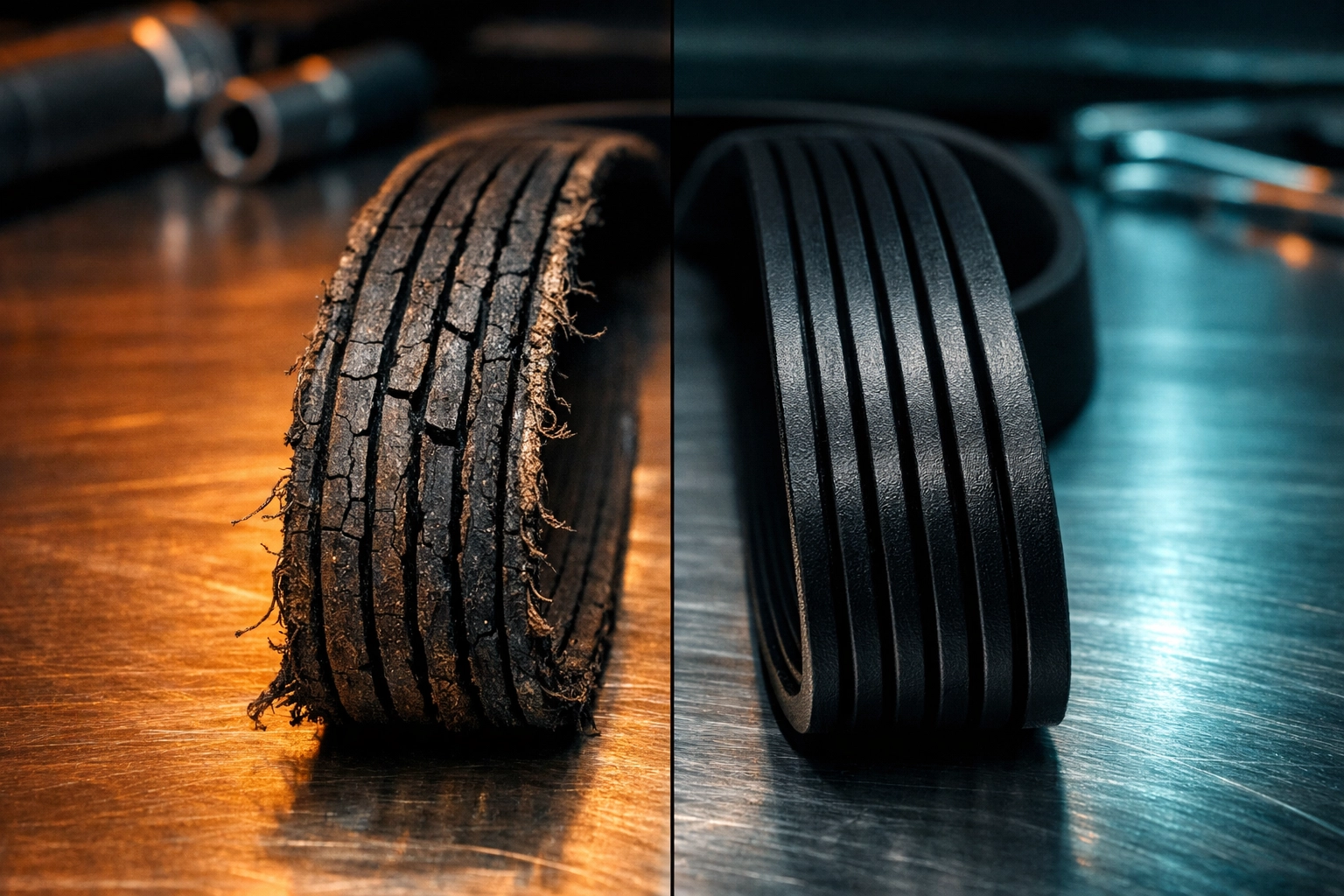
Proactive maintenance, on the other hand, is about catching those issues while they are still small, cheap, and, most importantly, controllable. When you schedule maintenance, you decide when the vehicle is off the road. When a vehicle breaks down, the vehicle decides when it’s off the road. We think you should be the one in charge.
The Trick: Proactive Scheduling and Digital Tracking
At The Otto Shop, we’ve spent over 20 years helping Huntington businesses stay on the move. Over those two decades, we’ve seen that the most successful fleets all use the same "simple trick." They stop guessing and start tracking.
1. The Power of the 6-Week Safety Inspection
Imagine this: instead of waiting for a driver to report a soft brake pedal, a technician looks at those brakes every six weeks. They notice the pads are at 20% and say, "Hey, we need to swap these out during your next window."
Regular safety inspections: ideally every six weeks or less: identify issues well before they take a vehicle off the road. This is especially critical for older vehicles or those that carry heavy loads through the hilly terrain of West Virginia. By standardizing these check-ups, you create a safety net for your business.
2. Digital Tracking: Your Fleet’s Medical Records
The "Digital Tracking" part of the trick is where the real magic happens. In the old days, fleet maintenance involved a glovebox full of crumpled receipts and a whiteboard that nobody updated.
Today, we use digital tools to track every oil change, tire rotation, and brake job. This data allows us to see patterns. If a specific van in your fleet is burning through tires faster than the others, we can investigate the alignment or the driver’s habits. Digital tracking ensures that we base maintenance on actual usage and manufacturer recommendations, not just guesswork.
How to Implement This Trick Right Now
You don't need a degree in logistics to improve your fleet maintenance services. You just need a partner who understands the local landscape. As a family-owned business in Huntington, we treat your fleet like it’s our own because we know how much local reputation matters.
Step 1: Create a Master List
List every vehicle in your fleet, its current mileage, and its primary use. Heavy-duty delivery vans need a different schedule than a sales rep’s sedan.
Step 2: Establish Your Intervals
Don't wait for the sticker on the windshield to tell you when to come in. Work with a certified mechanic to set intervals for:
- Oil and Filter Changes: Typically every 5,000 miles for fleet vehicles.
- Tire Rotations: Every 5,000 to 7,000 miles to maximize the life of your rubber.
- Brake Inspections: Every time the vehicle is in for an oil change.
- Fluid Flushes: Based on the manufacturer's heavy-duty cycle.
Step 3: Centralize Your Data
This is where many businesses struggle, and it’s exactly where we help. When you partner with us, we keep those digital records for you. You can focus on your customers while we focus on your "next service due" dates.

The Otto Shop Difference: 20+ Years of Trust
Why does it matter that we’ve been in Huntington for over two decades? Because we know the roads your drivers are on. We know the toll that a West Virginia winter takes on a suspension system and how the summer heat can cook an aging battery.
As a family-owned auto repair shop, we prioritize transparency. We aren't just looking to fix a car; we’re looking to support a fellow local business. When you search for a certified mechanic near me, you want someone who will tell you what needs to be fixed today and what can wait until next month.
Whether you are dealing with paint and clear coat problems from years on the road or you've had a driver involved in a deer hit, our team has the expertise to get you back to 100%.
A Walk-Through: The Lifecycle of a Proactive Fleet Vehicle
Consider two identical trucks purchased on the same day.
Truck A (Reactive): Only goes to the shop when it breaks. It misses three oil changes in two years. The transmission fluid becomes scorched. At 60,000 miles, the transmission fails. The truck is down for two weeks, costing $4,000 in repairs and $2,000 in lost productivity.
Truck B (The Otto Shop Method): Comes in every 5,000 miles. During a routine digital inspection, our mechanic notices a small transmission fluid leak. We replace a $15 seal during the lunch hour. The truck never misses a delivery. At 150,000 miles, it’s still running smoothly.
Which truck would you rather have in your fleet? The choice is clear, but it requires that first step of setting a schedule.

Seasonal Tips for Huntington Fleet Owners
Living in the Ohio River Valley means our vehicles face a wide range of conditions. Here are a few proactive measures you can take right now:
- Spring/Summer: Check your cooling systems. High temperatures are the #1 killer of fleet engines. Make sure your coolant is fresh and your fans are working properly.
- Fall/Winter: Battery health is key. A battery that starts fine in September might die in December. We can test your battery's cranking amps before the first frost hits.
- Year-Round: Check your tire pressure. Fluctuating West Virginia temperatures cause tire pressure to drop, which ruins fuel economy and causes uneven wear.
The Decision Framework: How to Level Up
If you are ready to stop worrying about your vehicles and start focusing on your growth, here is how to choose your path:
- The DIY Approach: You can try to manage this in-house with spreadsheets. It’s better than nothing, but it’s time-consuming and prone to human error.
- The "Big Box" Approach: You can go to a national chain. You might get a low price, but you won't get the personalized digital tracking or the 20 years of local expertise that comes with a family-owned shop.
- The Otto Shop Approach: Let us handle the proactive scheduling. We’ll build a custom plan for your fleet, track every service digitally, and keep you informed every step of the way.
Keep Your Business Moving
Your fleet is an investment. Don't let a lack of tracking turn that investment into a liability. The simple trick of proactive scheduling and digital tracking is the most effective tool you have to reduce costs and increase reliability.
Ready to see the difference that professional fleet maintenance services can make? We invite you to contact us today or stop by and see why we’ve been Huntington’s trusted choice for over 20 years.
Let's get your fleet on a schedule that works for your bottom line. Check out our about us page to learn more about our values, or browse our blog for more tips on keeping your vehicles in top shape.
Fleet Maintenance Services Huntington WV | The Otto Shop
Keep your business moving! Discover the simple trick to better fleet maintenance services in Huntington with The Otto Shop’s certified mechanics.